
SPECIAL LOAD LIFTING
Drum Lifter
Automatic Mechanical Top-Rim Drum Gripping
Grips beneath the upper rim of securely closed metal drums through hoist movement; releases after the drum is fully landed.
- Engineered to order
- Rated lifting capacity
- Drum-specific
- Gripping diameter and top-rim profile
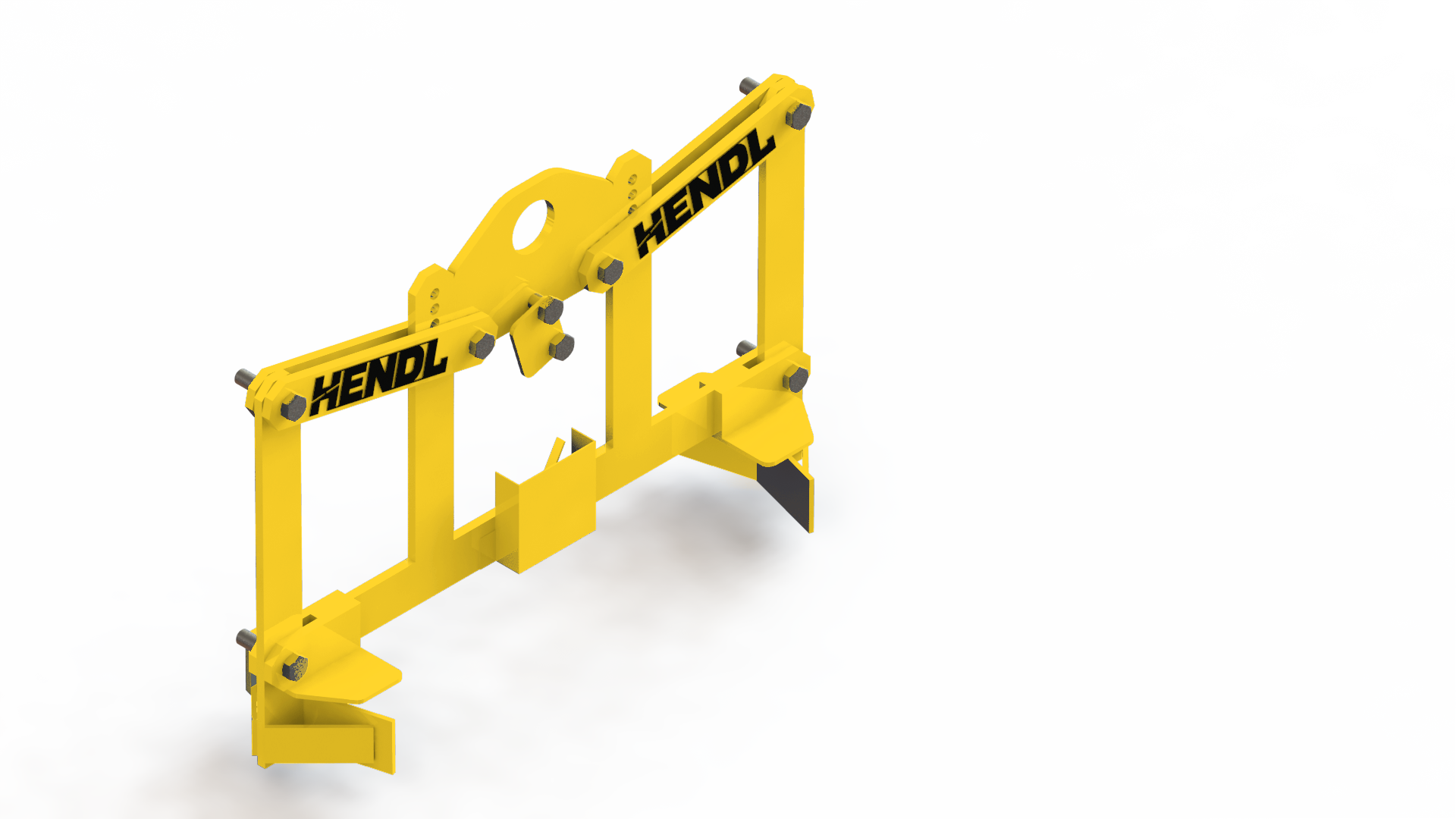
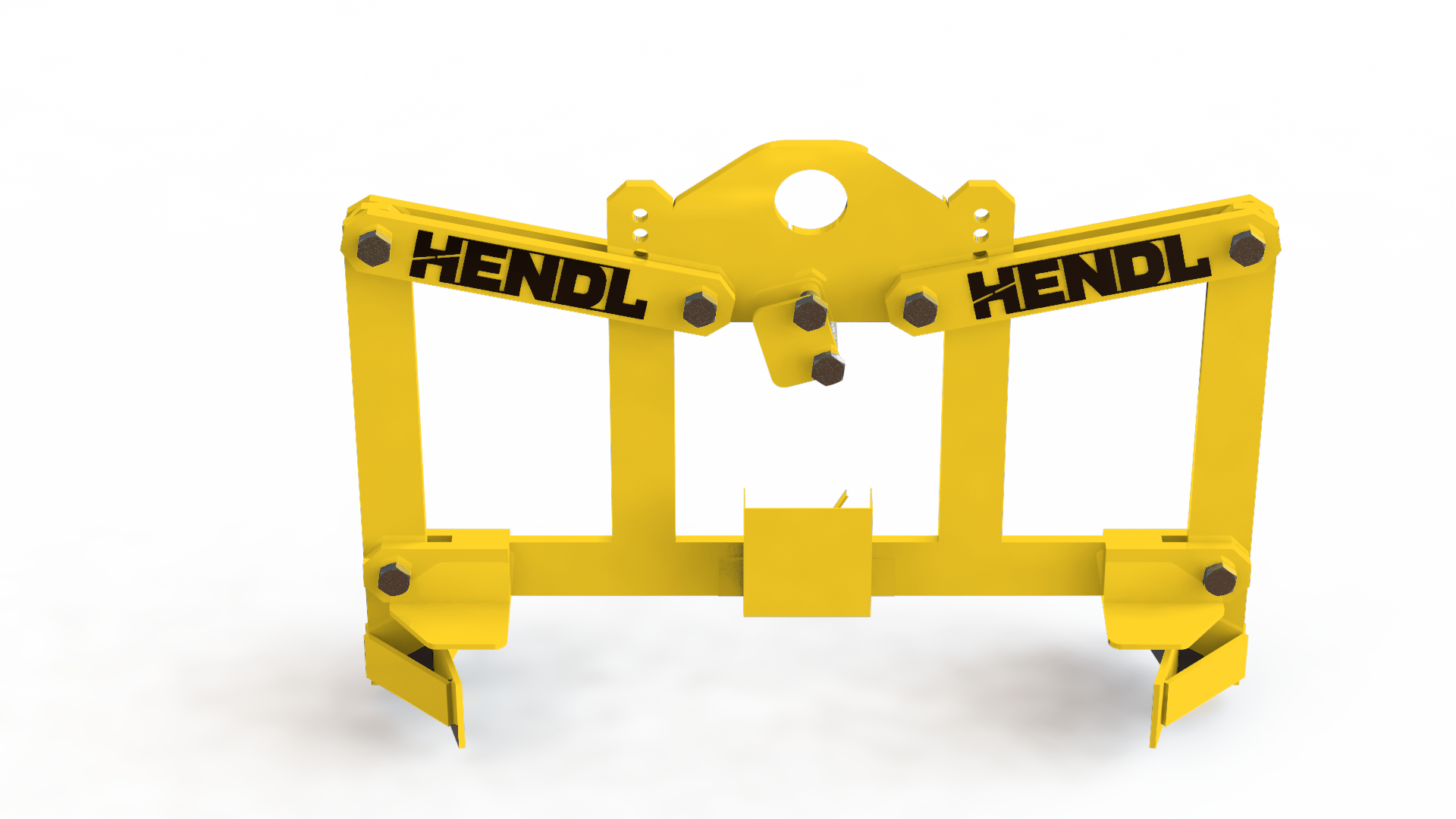
Product introduction
The HENDL Drum Lifter is engineered to lift and handle closed, rimmed metal drums in an upright position with an overhead hoist or crane. Opposing mechanical grippers engage beneath the upper drum rim as the hoist takes the load. Drum diameter, rim profile, rated lifting capacity and suspension geometry are defined for the actual drum and lifting arrangement.
Standard Capacity And Dimensions
Rated capacity, gripping diameter, rim engagement geometry, self-weight and lifting-eye dimensions are project-specific; no universal HENDL size or working load is stated for all drum types. Suitability depends on a securely fitted lid, a structurally sound lifting rim and the actual load. The base lifter handles upright lifting and transport only: it does not turn, tilt or empty the drum. Specifications from other manufacturers are reference information, not approved HENDL model ratings.
Working Principle
The lifter is lowered over an upright drum with its jaws held open. Contact with the drum top changes the mechanical latch to the next gripping phase; as the hoist rises, the opposing jaws close beneath the top rim and support the drum. The drum is transferred upright. The jaws must remain engaged while the load is suspended, and release must occur only after the drum is fully supported on the landing surface and its weight has been removed from the lifter. The base mechanism requires no electric or hydraulic power.
Selection
Selection starts with the drum material, the geometry and integrity of the top rim, the diameter beneath that rim, the drum height and its empty and filled mass. Lid fastening, contents, fill condition, centre of gravity and hoist hook dimensions must also be considered. The baseline application is one upright metal drum with its lid securely fitted; polymer drums, different rim profiles or a forklift-boom interface require separate design and suitability verification.
Drum-specific rim grips and lifting interfaces
Grip geometry may be engineered for different top-rim diameters and profiles, with replaceable gripping shoes, mechanical adjustment arrangements and a suitable lifting eye. An overhead-crane hook connection or a separately designed forklift-boom interface can be evaluated. Material selection, wear-part access and serviceable latch, pin and bushing arrangements are tailored to the application. Drum tipping, emptying, lifting multiple drums or handling a different drum material are not functions of the baseline product and require separate engineering.
Technical Figures For A Quote
For an engineering quotation, provide drum outer diameter, diameter below the top rim, a dimensioned rim profile or close-up photograph, drum height, material and lid closure detail. Include empty and full drum mass, contents and relevant filling or centre-of-gravity variations, lift frequency, operating environment, crane hook dimensions and available headroom. The rim and lid must be assessed for load-bearing suitability.
Request a technical quotation for the Drum Lifter
Questions
How does the Drum Lifter grip and release a drum?
Lowering the device onto the drum prepares the mechanical latch cycle. When the hoist lifts, the jaws engage under the upper rim of the securely closed metal drum. Once the drum is completely supported on the ground or another landing surface and the load is removed from the lifter, the latch progresses to the release phase. No motor or hydraulic power pack is required.
Can the Drum Lifter be designed for different drum diameters?
Yes. Jaw opening and engagement geometry can be designed for a specific drum. Capacity and fit are not decided by nominal volume alone: the diameter below the rim, rim cross-section and strength, secured lid, loaded mass and suspension also matter. Compatibility with one drum does not establish compatibility with every drum of the same nominal volume.
Which drums require special review before lifting?
Do not lift drums with an unsecured lid, damaged top rim or unverified rim strength without a specific suitability assessment. Plastic drums or other rim profiles are not automatically compatible with the base metal-drum configuration. Drum contents, centre of gravity and the operating environment must also be assessed.
Related Equipment
Quote